
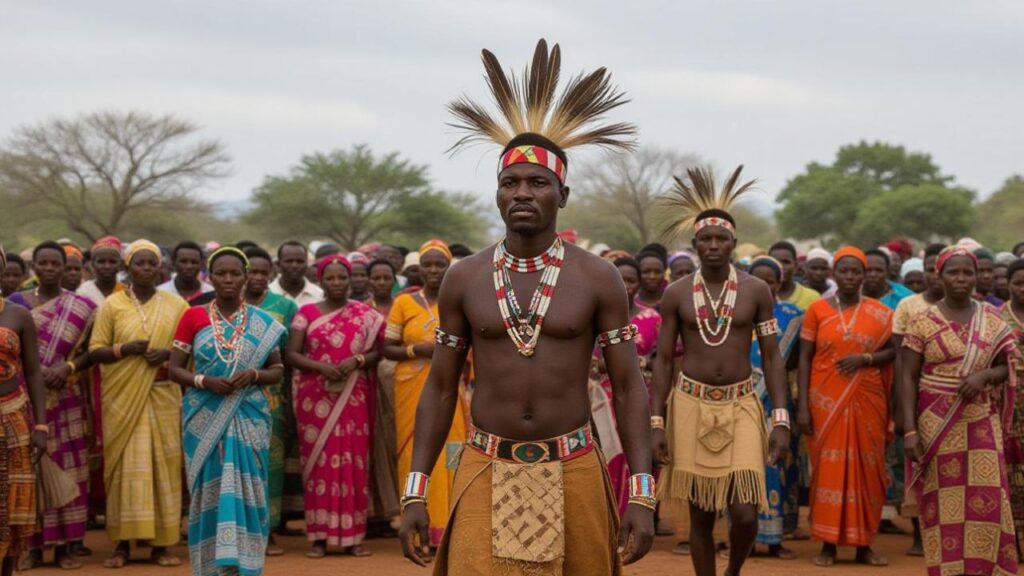
Tribal Festival – Join a Tribal Festival or Ceremony in Africa offers travelers a chance to immerse themselves in authentic cultural traditions that have been passed down for generations. These vibrant gatherings are not just about music, dance, or rituals—they are deeply rooted in history, spirituality, and community identity. From the Maasai ceremonies in Kenya to the Zulu festivals in South Africa, each celebration tells a unique story about heritage and belonging. Tourists are often welcomed with warmth, but participation requires awareness, sensitivity, and respect for customs. Many travelers are fascinated by the colorful attire, symbolic dances, and the way elders pass wisdom through storytelling and song. Attending such events can create lifelong memories, but it is important to prepare yourself properly, from what you wear to how you engage with the community. By approaching the experience with openness and humility, visitors can build genuine connections with local people while supporting cultural preservation. This journey into tradition is more than sightseeing—it is an invitation to witness Africa’s living heritage.
 A Taste of Africa: Culinary Experiences You Can’t Miss in Ghana, Ethiopia, and South Africa
What to Expect When Attending a Tribal Festival
Attending a tribal festival in Africa can feel like stepping into another world, where time-honored traditions take center stage. Visitors will often encounter ritual dances, elaborate costumes, and music created from drums, rattles, and chants that echo across the celebration space. Some festivals, such as the Gerewol festival in Niger, involve competitive beauty pageants among the Wodaabe people, while others focus on agricultural cycles, initiation rites, or honoring ancestors. The energy is lively, with food stalls, craft markets, and ceremonies that may last several days. Expect a communal atmosphere where locals gather to celebrate unity and identity. However, it is crucial to remember that many of these practices have sacred meanings, and tourists must follow the lead of local guides. According to resources like the Africa.com cultural travel guide, respectful engagement is the key to enjoying these experiences without unintentionally offending community members.

How to Dress for a Tribal Festival
Clothing plays an important role in showing respect when joining a tribal festival or ceremony. While tourists are not expected to dress like locals, wearing modest and culturally sensitive clothing is highly recommended. For example, in many communities, women are encouraged to cover shoulders and knees, while men should avoid overly casual wear like beach shorts. Neutral colors are generally appreciated, though some tribes may welcome guests who wear brighter attire to reflect the festive mood. If possible, purchasing locally made garments or accessories can both support artisans and help you blend in respectfully. It is important to avoid wearing costumes or traditional attire meant only for initiated members of the tribe, as this may be seen as cultural appropriation. The Lonely Planet Africa guide suggests asking hosts or guides about appropriate attire before attending. Dressing thoughtfully not only demonstrates cultural awareness but also enhances the authenticity of your experience.
 Explore Africa Beyond the Tourist Trail: Underrated Places That Offer Once-in-a-Lifetime Experiences
Respecting Local Traditions and Customs
Respect is the foundation of participating in any tribal festival. Visitors must remember that many of these ceremonies have deep spiritual significance. Photography, for example, should never be done without permission, as certain rituals may be private or sacred. Greeting elders with respect, avoiding loud or disruptive behavior, and showing genuine interest in the culture all go a long way in building trust. It is also wise to follow local etiquette regarding seating, eating, and participation in rituals. Some ceremonies may invite visitors to join in dancing or singing, while others may require silent observation. According to Cultural Survival, an organization that supports Indigenous communities, the best approach is to listen, learn, and engage only when invited. By respecting boundaries, tourists help preserve the authenticity of the tradition and ensure that cultural exchanges remain positive and mutually enriching.
 Why You Should Visit Malawi, Rwanda, and Lesotho — Africa’s Most Overlooked Travel Destinations
Why These Experiences Matter
Joining a tribal festival or ceremony in Africa is more than just a travel activity—it is a chance to support cultural preservation and community empowerment. Many tribes rely on tourism as a source of income, and respectful participation can contribute directly to local economies. Beyond economics, attending these events also helps raise awareness of the importance of protecting traditions that risk being lost in the modern world. For travelers, these experiences offer an unparalleled opportunity to connect with people on a human level, learning about their history, challenges, and hopes for the future. Engaging with traditional practices can also inspire deeper appreciation for diversity and humanity’s shared heritage. According to the UNESCO reports on intangible cultural heritage, safeguarding these traditions is essential for global cultural diversity. For those who choose to join, the reward is a life-changing perspective that goes beyond travel—it becomes part of a shared story of respect, learning, and unity.
