
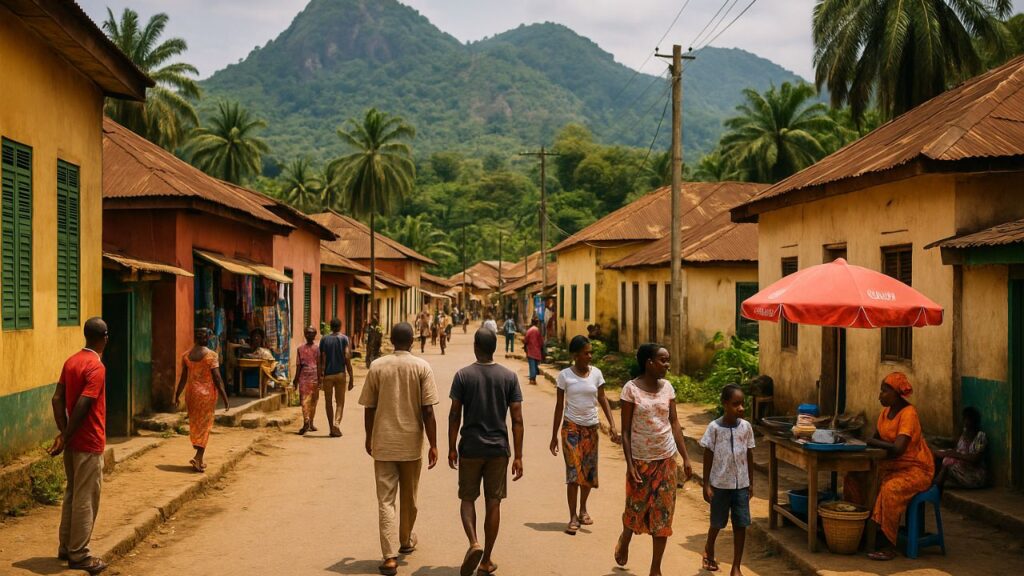
African Towns – Exploring small African towns reveals a world of culture, food, and nature that often remains hidden from mainstream tourism. While many travelers flock to big cities and iconic safari destinations, the charm of Africa often lies in its lesser-known towns, where traditions are preserved, cuisines are authentic, and natural landscapes remain unspoiled. These towns embody the continent’s diversity, showcasing music, dance, crafts, and vibrant markets that bring communities together. Local dishes, often made from fresh, seasonal ingredients, tell stories of history and identity passed down through generations. Beyond cultural richness, these places are surrounded by breathtaking natural wonders, from mountains and lakes to forests and savannas, offering unique experiences for eco-conscious travelers. According to UNWTO reports on African tourism, small towns play a crucial role in sustainable travel by fostering community-based tourism and protecting heritage. By exploring them, travelers not only enjoy unforgettable adventures but also contribute to the growth and preservation of local economies and traditions.
 Explore Africa Beyond the Tourist Trail: Underrated Places That Offer Once-in-a-Lifetime Experiences
Cultural Heritage and Local Traditions
African towns are living museums of cultural heritage, where ancient traditions coexist with modern influences. From festivals that celebrate music and dance to artisan markets filled with handmade crafts, these towns showcase the continent’s rich cultural identity. In Ethiopia’s Lalibela, for example, the rock-hewn churches are not only historical treasures but also active centers of spiritual life. Similarly, towns across West Africa host vibrant cultural festivals that preserve oral histories, storytelling, and ancestral customs. Studies on community-based tourism in Africa highlight how small towns safeguard intangible cultural heritage while providing visitors with authentic experiences. Travelers can witness rituals, join in local dances, or learn traditional crafts, making their journey deeply immersive. At the same time, engaging with these traditions supports local artisans and communities. DEU-ISGR-23 emphasizes that protecting cultural heritage requires inclusive tourism that values people as much as monuments, ensuring future generations continue to celebrate their identity.

Culinary Experiences Rooted in History
Food is a central part of the African travel experience, and small towns offer some of the most authentic culinary journeys. Whether it’s sampling Ethiopian injera with spicy stews, savoring Moroccan tagines, or tasting freshly roasted maize from roadside stalls in Southern Africa, each dish carries a story of resilience and identity. Local markets, often the heart of these towns, are filled with fresh produce, aromatic spices, and traditional recipes handed down for generations. According to the Food and Agriculture Organization of the UN (FAO), African food systems are deeply linked to cultural traditions and biodiversity, with indigenous crops like sorghum, millet, and cassava sustaining communities for centuries. By engaging with local cuisines, travelers not only enjoy diverse flavors but also learn about farming practices, sustainability, and food security. Culinary tourism in small towns helps preserve traditional recipes while creating economic opportunities for families, making it a meaningful way to connect with Africa’s heritage.

Nature and Outdoor Adventures
Surrounded by breathtaking natural landscapes, many small African towns serve as gateways to extraordinary outdoor adventures. From the lush green highlands of Uganda to the serene coastal towns of Mozambique, these destinations offer unique opportunities for eco-tourism and wildlife exploration. Hiking, birdwatching, and community-led safaris allow visitors to experience biodiversity in its purest form. According to IUCN Africa, community-based conservation efforts have proven successful in protecting endangered species while generating income for local populations. Small towns situated near national parks or natural reserves often provide authentic and less commercialized access to nature, where travelers can immerse themselves in unspoiled environments. By choosing these towns, tourists contribute to sustainable tourism practices that prioritize environmental conservation and cultural respect. The connection between humans and nature in these places highlights Africa’s role as both a cradle of civilization and a sanctuary of biodiversity that the world must protect.
 Discover Africa in 2025: Your Complete Guide to Unforgettable Destinations Across the Continent
Sustainable Tourism and Local Empowerment
Visiting small towns across Africa is more than an adventure—it is a way to support sustainable tourism and empower local communities. Unlike mass tourism hubs, these towns rely heavily on community-based initiatives where local people manage guesthouses, cultural tours, and food experiences. Research from the UN Environment Programme (UNEP) emphasizes that sustainable tourism in Africa can create jobs, reduce poverty, and protect fragile ecosystems. At the same time, engaging with local entrepreneurs helps preserve indigenous traditions and languages, ensuring they are not lost to globalization. DEU-ISGR-23 highlights the importance of equitable tourism where benefits are shared fairly among residents. Travelers who choose small towns make a direct impact on community welfare while enjoying experiences that go beyond surface-level sightseeing. By blending culture, food, and nature with sustainability, these towns represent the heart of authentic African travel—places full of soul, stories, and unforgettable encounters.
